Head of Art & External Development · official title Director of Assets · reported to the CEO
Poliigon
I inherited an operation where 20+ artists shipped about 25 assets a month at $535 an asset, with 40% of the work coming back rejected. Through three rounds of company-wide budget reductions the in-house team fell to 4, and the release schedule still had to hold. By 2024–25 it shipped 200+ a month at $170–340, with rejection under 15%, on weekly releases instead of monthly.
- finished assets / month
- ~25200+
- cost per asset
- $535$170–340
- first-pass rejection
- ~40%<15%
- release cadence
- monthlyweekly
production budget up to $1M · 200+ a month held for four months against a 50+ a week target
Most of that came from fixing the pipeline. Every asset took dozens of manual steps, and the clerical errors in them sent two in five back. I retrained the team, documented the process, and replaced the manual steps with templates and export tools.
Two kinds of tools did it. I built the export tool and the map standardizer myself, with AI-assisted development. For the photogrammetry automation, I designed the settings, behavior and workflow, managed the 2–3 programmers who built it, and tested every flow.
Pipeline, before and after
What I owned
01
Art direction & quality bar
One acceptance bar across three content lines: authored Substance materials, photoscanned surfaces and photometric surfaces. Peer-review gate with send-back for revision.
02
Team & external development
Led the art team through three rounds of company-wide budget reductions, 2022–2024, from 20+ in-house artists to 4. Each round I chose which roles to keep. To hold the subscriber release schedule, I added contract artists paid per approved asset in 2023 and built an India contracting team from zero in 2024: hired a local lead and set contracts, rates and bonuses. Trained 60+ artists.
03
Pipeline & tools
Standardized the toolset on Metashape, Blender and Substance 3D. Built the export tool and map standardizer myself, with AI-assisted development: one preset per asset type set normals, roughness, AO, packing, compression, bit depth and displacement to our texel and poly density. Designed the photogrammetry automation and managed the 2–3 programmers who built it. Built the Blender and Substance templates it ran on, marketing image templates, and QA tools for poly density and memory budget.
04
Capture & model standards
Chose the hardware and co-designed an on-location scanning rig with the photoscan lead, and set color-checker, cross-polarization and rig-lighting requirements. Moved published models from quads to triangulated meshes, so tangents, normals and normal maps read the same in every application; high-poly and quad versions ship only as support files. Set the import and export settings for each modeling application and renderer.
05
Roadmap from data
Decided which asset types and categories to grow or stop, and the weekly targets, from downloads and views per asset. Ran a remastering program for high-demand legacy assets, with 900+ in processing at peak.
06
Brand partnerships
500+ digital-twin assets with Twinbru, Delta Millworks, Best Cheer Stone, Nicolaquinto and WeraJane. Ran three of them end to end, from correspondence and scan-crew travel to partner review and final approval.
07
Budget, contracts & KPIs
Quarterly planning and budget with the CEO. Wrote contractor agreements and licensing and IP terms. Approved hardware and software spend, including a $25K scanner. Built the KPI dashboard: production, payroll cost, revenue, downloads and views per asset.
08
AI production
Set the AI production strategy and built ComfyUI workflows for textures and HDRIs: Stable Diffusion, Flux, LoRA training and ControlNet.
09
Hands-on
Ran final QA, staging and release for about 70% of all assets, fixing near-pass assets myself and producing their marketing previews. Built models and materials, including final models for the Nicolaquinto collection.
Photogrammetry pipeline
Artists only QA'd blurry images. Everything else ran automatically. Photo counts were set from target texel density, which cut texture captures from 500+ photos to about 150.
- aImage cropping
- bMetashape high poly
- cMetashape low poly
- dTexture generation
- eSource export → Substance 3D finalization
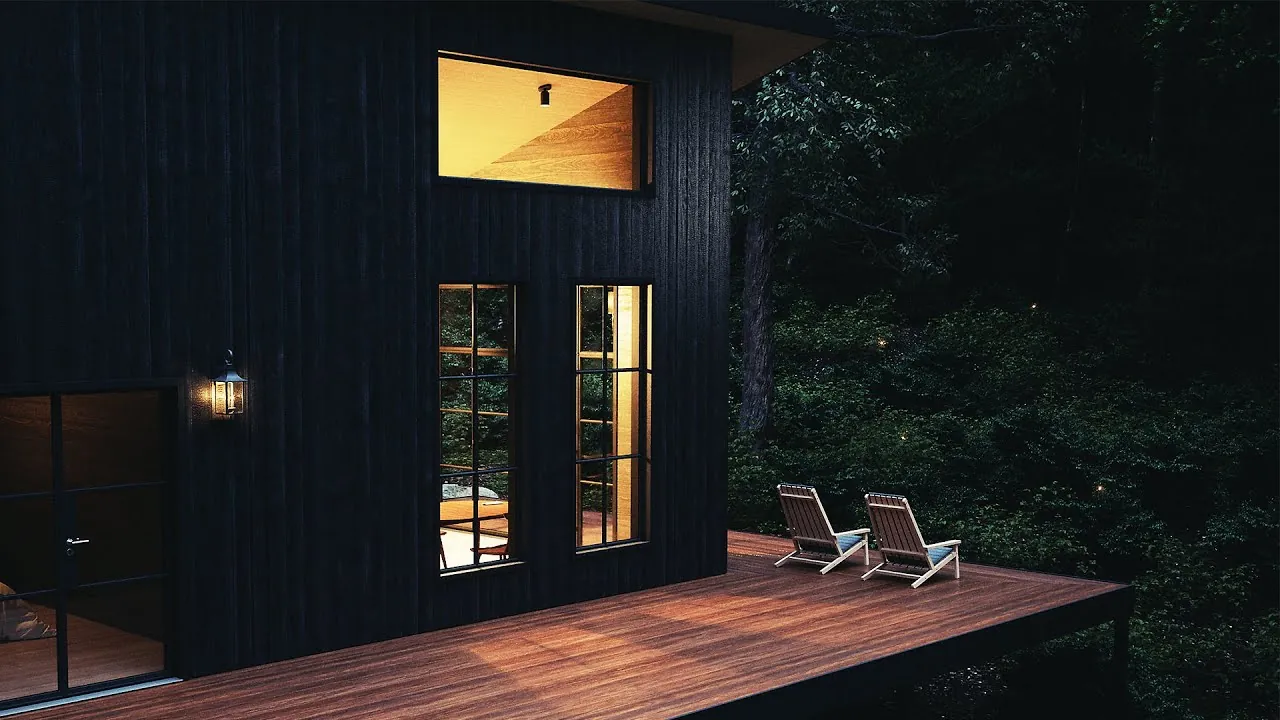
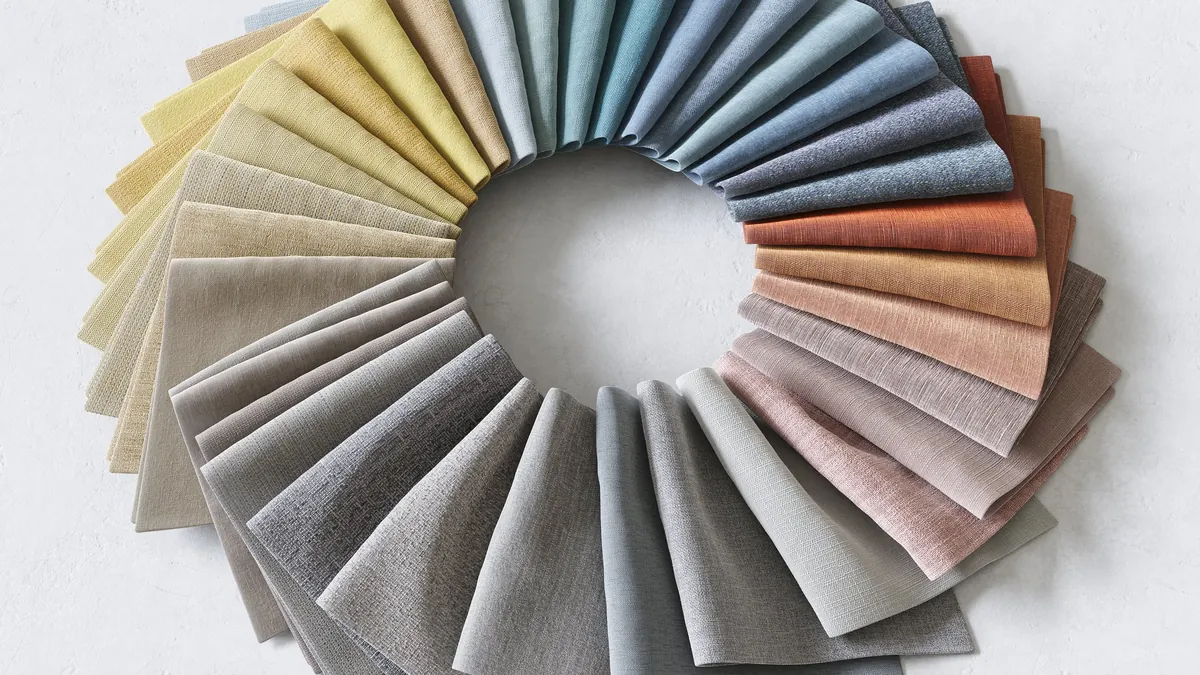
Partnership assets · 500+ digital twins
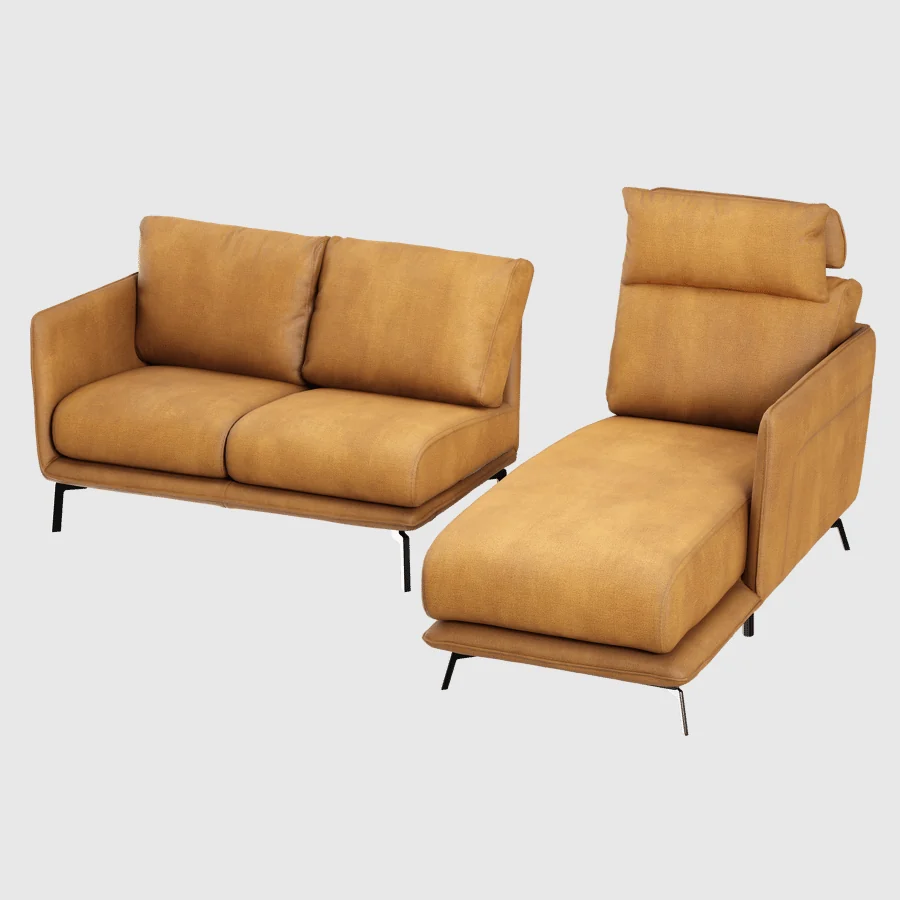
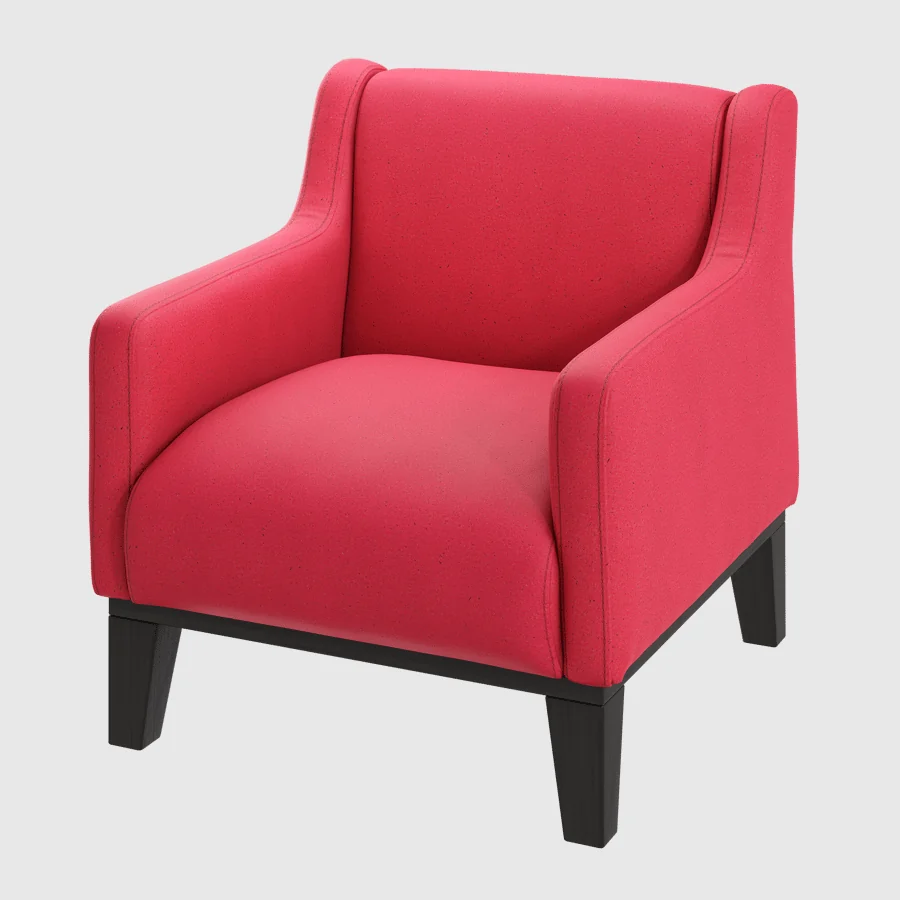
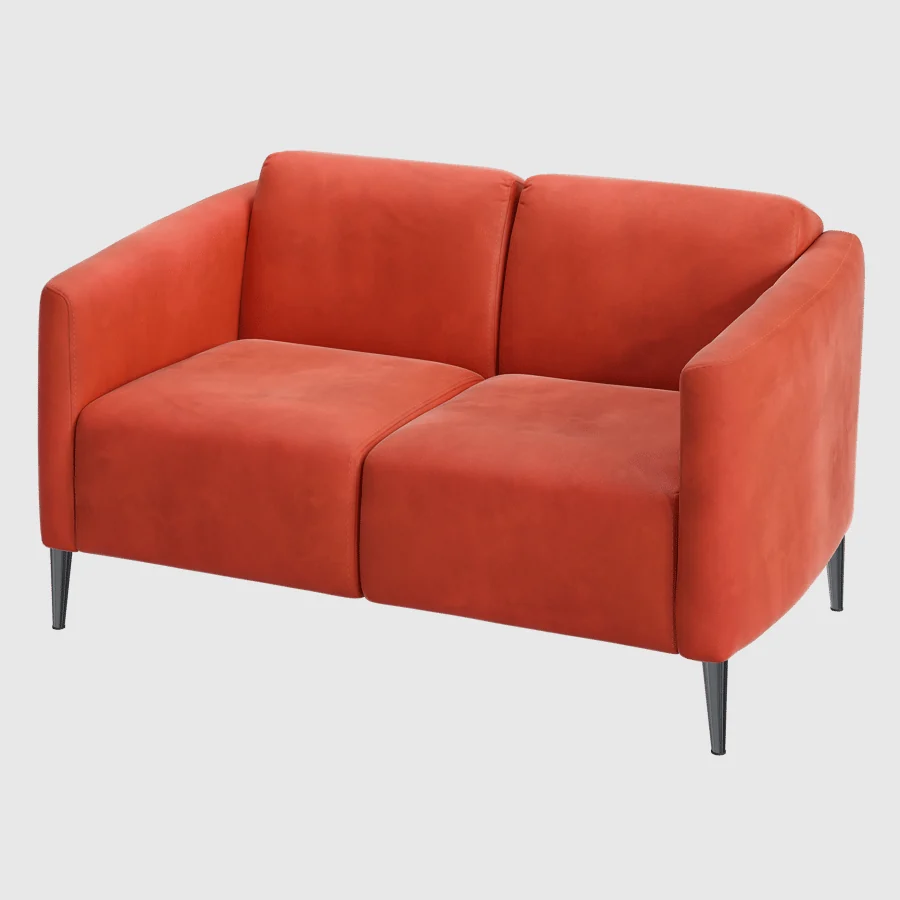
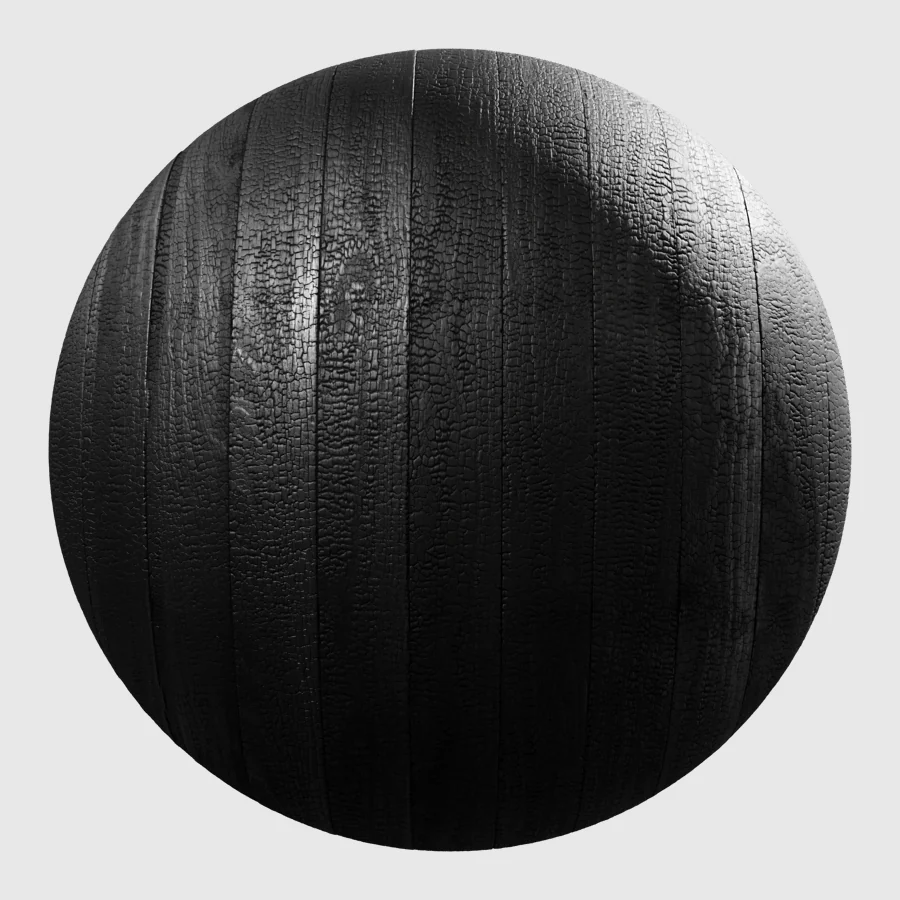
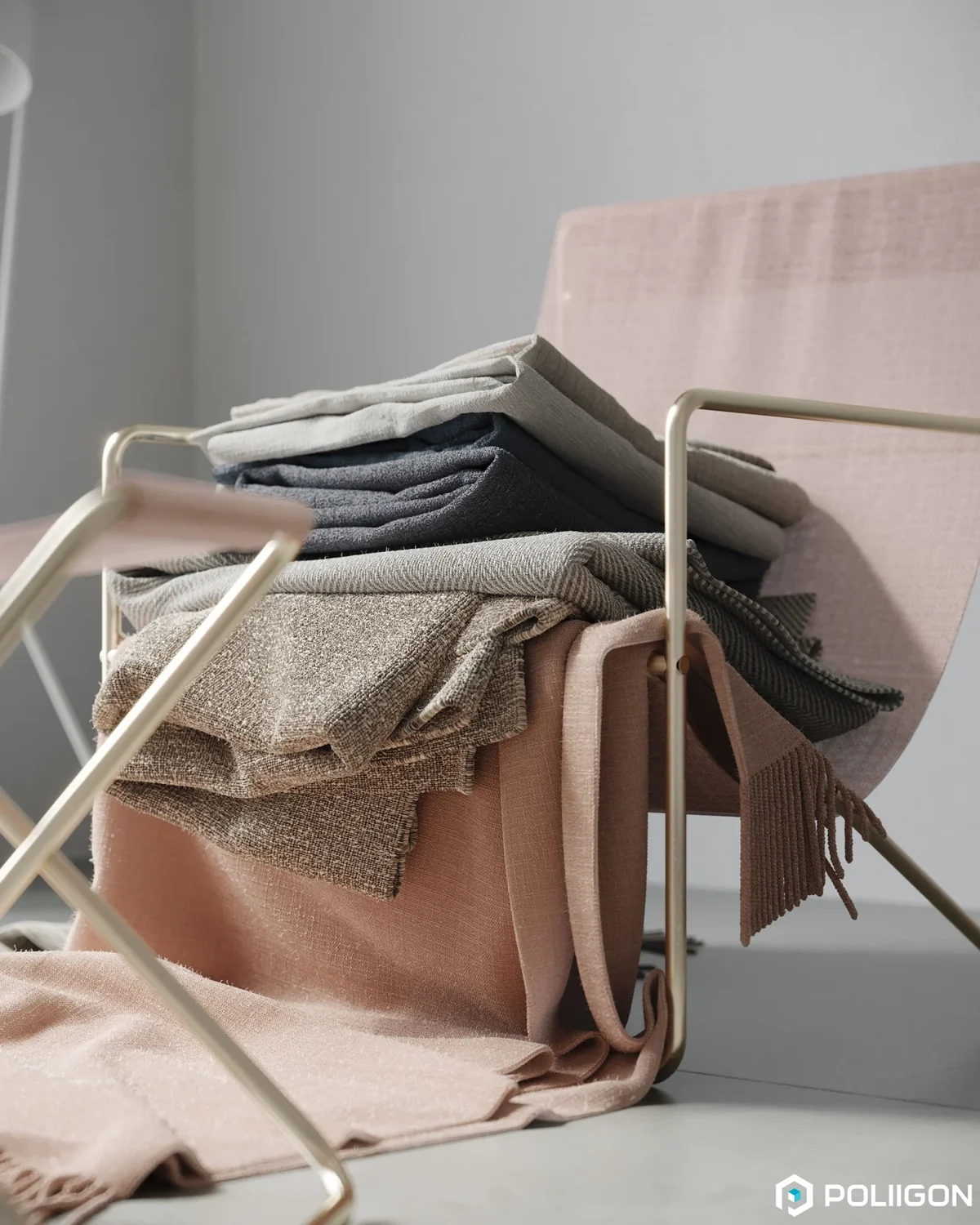
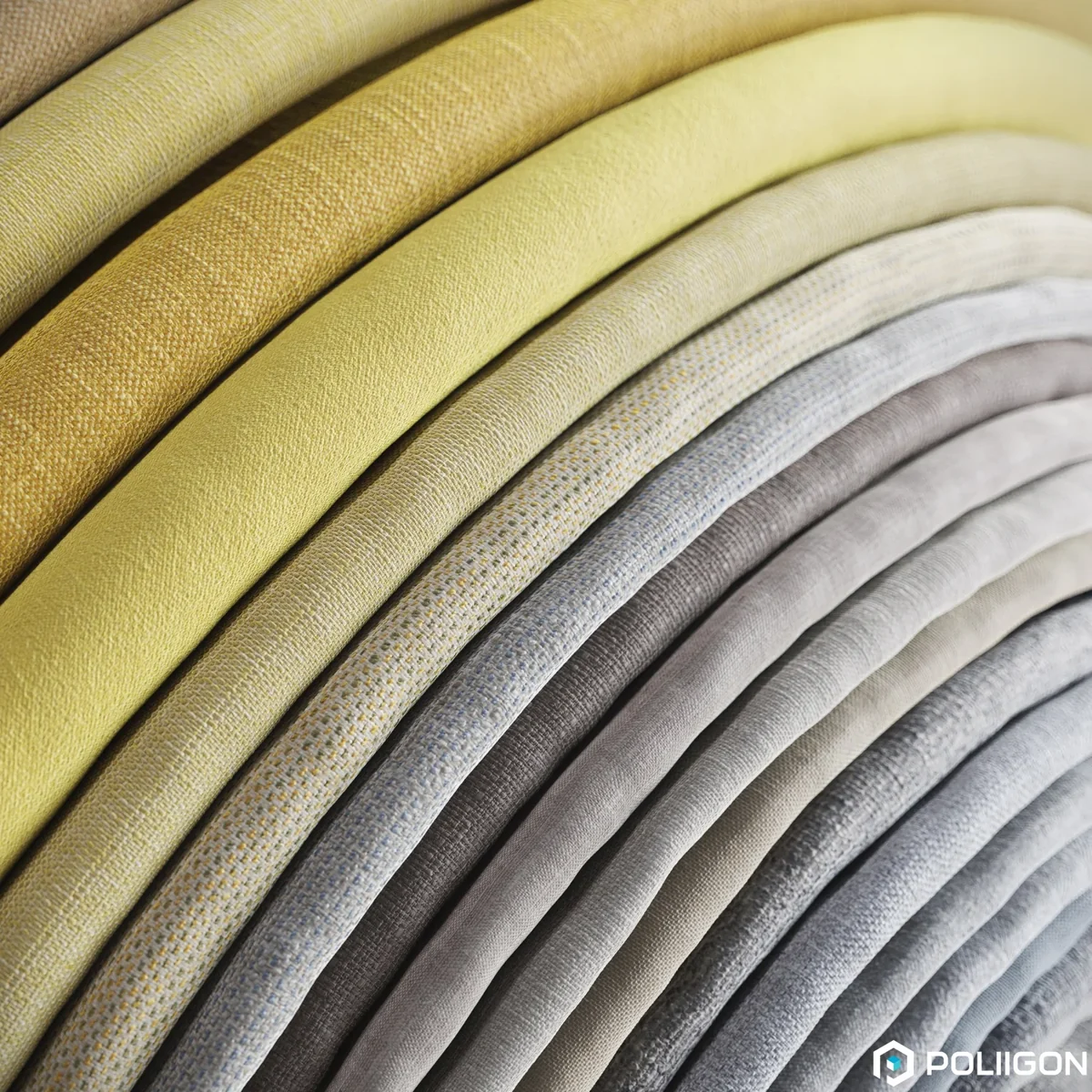
Library renders from Poliigon's published collections with Nicolaquinto, Delta Millworks and Twinbru.